Filter by
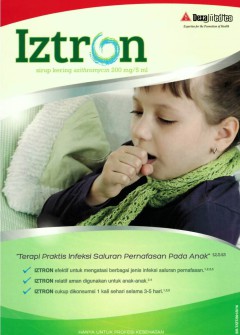
Early Administration of Azithromycin and Prevention of Severe Lower Respirato…
A total of 937 treated RTIs (azithromycin group, 473; placebo group, 464) were experienced by 443 children (azithromycin group, 223; placebo group, 220), including 92 severe LRTIs (azithromycin group, 35; placebo group, 57). Azithromycin significantly reduced the risk of progressing to severe LRTI relative to placebo (hazard ratio, 0.64 [95% CI, 0.41-0.98], P = .04; absolute risk for first RTI…
- Edition
- -
- ISBN/ISSN
- -
- Collation
- -
- Series Title
- -
- Call Number
- -
Safety of azithromycin in pediatrics: a systematic review and meta-analysis
We included 133 studies with 4243 ADRs reported in 197,675 neonates, infants, and children who received azithromycin. The safety of azithromycin as MDA in pediatrics was poorly monitored. The main ADRs were diarrhea and vomiting. In prospective non-MDA studies, the most common toxicity was gastrointestinal ADRs (938/1967; 47.7%). The most serious toxicities were cardiac (prolonged QT or irregul…
- Edition
- -
- ISBN/ISSN
- -
- Collation
- -
- Series Title
- -
- Call Number
- -
Mechanism of action, resistance, synergism, and clinical implications of azit…
Azithromycin (AZM), sold under the name Zithromax, is classified as a macrolide. It has many benefits due to its immunomodulatory, anti-inflammatory, and antibacterial effects. This review aims to study different clinical and biochemisterial aspects and properties of this drug which has a priority based on literature published worldwide
- Edition
- -
- ISBN/ISSN
- -
- Collation
- -
- Series Title
- -
- Call Number
- -
Azithromycin resistant gonococci: a literature review
Gonorrhea is the second most common sexually transmitted bacterial infection (STI) next to Chlamydia. Untreated cases could results in major complications like pelvic inflammatory disease (PID), ectopic pregnancy, infertility, miscarriage, fetal death and congenital infections. Gonorrhea has been treated with antibiotics for more than eight decades. However, the emergence and spread of antim…
- Edition
- -
- ISBN/ISSN
- -
- Collation
- -
- Series Title
- -
- Call Number
- -
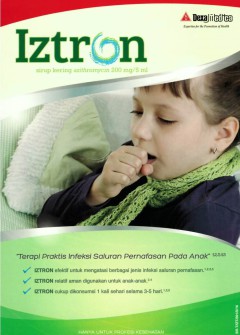
Paediatric safety of azithromycin: worldwide experience
Adverse events and laboratory abnormalities were monitored over 35 days after the commencement of treatment in 45 open studies conducted in Europe, South America, Africa and Asia. These studies were to assess the clinical efficacies of azithromycin and comparator antimicrobial agents in the treatment of paediatric acute bacterial infections.
- Edition
- -
- ISBN/ISSN
- -
- Collation
- -
- Series Title
- -
- Call Number
- -
Efficacy of a three day course of azithromycin in moderately severe community…
This study was designed to evaluate the efficacy of a 3 day course of azithromycin in low to moderately severe community-acquired pneumonia
- Edition
- -
- ISBN/ISSN
- -
- Collation
- -
- Series Title
- -
- Call Number
- -
Azithromycin Is as Effective as and Better Tolerated Than Erythromycin Estola…
Although universal immuni-zation against Bordetella pertussis(whooping cough) infection has resulted in dramatic reductions in the incidence of pertussis, outbreaks continue to occur in countries with excellent vaccine coverage.
- Edition
- -
- ISBN/ISSN
- -
- Collation
- -
- Series Title
- -
- Call Number
- -
Efficacy and Safety of Azithromycin vs Levofloxacin in the Outpatient Treatme…
Despite increasing concerns over macrolide resistance and a higher incidence of Gram-negative pathogens, a standard 5-day course of oral azithromycin was clinically and bacteriologically equivalent to a 7-day course of oral levofloxacin in the treatment of patients with ABECB.
- Edition
- -
- ISBN/ISSN
- -
- Collation
- -
- Series Title
- -
- Call Number
- -
 Computer Science, Information & General Works
  Philosophy & Psychology
  Religion
  Social Sciences
  Language
  Pure Science
  Applied Sciences
  Art & Recreation
  Literature
  History & Geography