Filter by
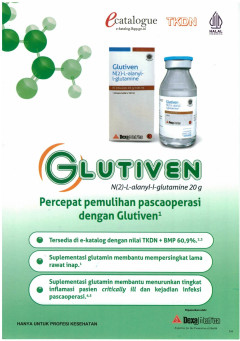
Meta-analysis of Glutamine on Immune Function and Post-Operative Complication…
The aim of this meta-analysis was to evaluate the clinical significance of glutamine in the management of patients with colorectal cancer (CRC) after radical operation. Electronic databases, including PubMed, EMBASE, MEDLINE, Cochrane Library, Chinese Biomedical Database (CBM), China National Knowledge Infrastructure (CNKI), VIP medicine information system (VIP), and Wanfang electronic database…
- Edition
- -
- ISBN/ISSN
- -
- Collation
- -
- Series Title
- -
- Call Number
- -
Postoperative parenteral glutamine supplementation improves the short-term ou…
The clinical utility of glutamine in patients undergoing colorectal cancer (CRC) surgery remains unclear. Therefore, we aimed to investigate the impact of postoperative treatment with glutamine on postoperative outcomes in patients undergoing CRC surgery.
- Edition
- -
- ISBN/ISSN
- -
- Collation
- -
- Series Title
- -
- Call Number
- -

Multicenter nonrandomized trial of ramosetron versus palonosetron in controll…
Chemotherapy-induced nausea and vomiting (CINV) have a negative impact on patients’ quality of life and frequently pointed to as a major factor for treatment abandonment. Serotonin (5-HT3) receptor antagonist is considered as key treatment for CINV. Ramosetron and palonosetron are recently developed 5-HT3 receptor antagonists and known as more superior than other first-generation 5-HT3 …
- Edition
- -
- ISBN/ISSN
- -
- Collation
- -
- Series Title
- -
- Call Number
- -

Effect of Reduced-Dose Capecitabine Plus Cetuximab as Maintenance Therapy for…
Fluorouracil-based chemotherapy combined with anti–epidermal growth factor receptor/vascular endothelial growth factor therapy is the standard first-line treatment for metastatic colorectal cancer followed by low-intensity maintenance therapy to balance the clinical efficacy and adverse effects (AEs). However, there have been concerns about the AEs of capecitabine plus cetuximab as a mainten…
- Edition
- -
- ISBN/ISSN
- -
- Collation
- -
- Series Title
- -
- Call Number
- -
Capecitabine in the routine first-line treatment of elderly patients with adv…
The purpose of this observational study was to evaluate feasibility, efficacy results and toxicity observations of capecitabine in routine first line treatment of patients with metastatic colorectal cancer, with particular regard of elderly patients (>75 years of age
- Edition
- -
- ISBN/ISSN
- -
- Collation
- -
- Series Title
- -
- Call Number
- -
 Computer Science, Information & General Works
  Philosophy & Psychology
  Religion
  Social Sciences
  Language
  Pure Science
  Applied Sciences
  Art & Recreation
  Literature
  History & Geography