Filter by
COVID-19 vaccines: The status and perspectives in delivery points of view
Due to the high prevalence and long incubation periods often without symptoms, the severe acute respiratory syndrome coronavirus-2 (SARS-CoV-2) has infected millions of individuals globally, causing the coronavirus disease 2019 (COVID-19) pandemic. Even with the recent approval of the anti-viral drug, remdesivir, and Emergency Use Authorization of monoclonal antibodies against S protein, bamlan…
- Edition
- -
- ISBN/ISSN
- -
- Collation
- -
- Series Title
- -
- Call Number
- -
Vaccine development and therapeutic design for 2019‐nCoV/SARS‐CoV‐2: Ch…
The ongoing outbreak of the recently emerged 2019 novel coronavirus (nCoV), which has seriously threatened global health security, is caused by severe acute respiratory syndrome coronavirus 2 (SARS‐CoV‐2) with high morbidity and mortality. Despite the burden of the disease worldwide, still, no licensed vaccine or any specific drug against 2019‐nCoV is available. Data from several countri…
- Edition
- -
- ISBN/ISSN
- -
- Collation
- -
- Series Title
- -
- Call Number
- -
Pediatric COVID-19: Systematic review of the literature
There is limited data regarding the demographics and clinical features of SARS-CoV-2 infection in children. This information is especially important as pneumonia is the single leading cause of death in children worldwide. This Systematic Review aims to elucidate a better understanding of the global impact of COVID-19 on the pediatric population.
- Edition
- -
- ISBN/ISSN
- -
- Collation
- -
- Series Title
- -
- Call Number
- -
Respiratory follow-up of patients with COVID-19 pneumonia
The COVID-19 pandemic has led to an unprecedented surge in hospitalised patients with viral pneumonia. The most severely affected patients are older men, individuals of black and Asian minority ethnicity and those with comorbidities. COVID-19 is also associated with an increased risk of hypercoagulability and venous thromboembolism.
- Edition
- -
- ISBN/ISSN
- -
- Collation
- -
- Series Title
- -
- Call Number
- -
Severe COVID-19 Lung Infection in Older People and Periodontitis
Periodontal bacteria dissemination into the lower respiratory tract may create favorable conditions for severe COVID-19 lung infection. Once lung tissues are colonized, cells that survive persistent bacterial infection can undergo permanent damage and accelerated cellular senescence. Consequently, several morphological and functional features of senescent lung cells facilitate SARSCoV-2 replica…
- Edition
- -
- ISBN/ISSN
- -
- Collation
- -
- Series Title
- -
- Call Number
- -
Exploring the acceptability of controlled human infection with SARSCoV2—a p…
Rapid development of an effective vaccine for SARSCoV2 is a global priority. A controlled human infection model (CHIM) would accelerate the efficacy assessment of candidate vaccines. This strategy would require deliberate exposure of volunteers to SARSCoV2 with no currently available treatment and a small but definite risk of serious illness or death. This raises complex questions about the soc…
- Edition
- -
- ISBN/ISSN
- -
- Collation
- -
- Series Title
- -
- Call Number
- -
The Natural History, Pathobiology, and Clinical Manifestations of SARS-CoV-2 …
Severe acute respiratory syndrome coronavirus 2 (SARS-CoV-2) is the etiological agent of coronavirus disease 2019 (COVID-19). SARS-CoV-2, is a positive-sense single-stranded RNA virus with epithelial cell and respiratory system proclivity. Like its predecessor, SARS-CoV, COVID-19 can lead to life-threatening disease. Due to wide geographic impact affecting an extremely high proportion of the…
- Edition
- -
- ISBN/ISSN
- -
- Collation
- -
- Series Title
- -
- Call Number
- -
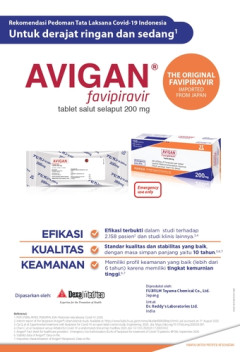
Interim report of the favipiravir (Avigan®) observational study.
The new coronavirus (SARS-CoV-2) was initially identified from patients with pneumonia of unknown cause in Hubei Province, People’s Republic of China in December 2019. The virus has since spread globally and infected over four and a half million people as of May 15, 2020. In Japan, over 16,000 have been infected, and over 800 of them have died from the new coronavirus infection (COVID-19)
- Edition
- -
- ISBN/ISSN
- -
- Collation
- -
- Series Title
- -
- Call Number
- -
Favipiravir: Pharmacokinetics and Concerns About Clinical Trials for 2019-nCo…
An outbreak of 2019-nCoV infection has spread across the world. No specific antiviral drugs have been approved for the treatment of COVID-2019. In addition to the recommended antiviral drugs, such as interferon-, lopinavir/ritonavir, ribavirin, and chloroquine phosphate, some clinical trials focusing on virus RNA-dependent RNA polymerase (RdRp) inhibitors have been registered and initiated. …
- Edition
- -
- ISBN/ISSN
- -
- Collation
- -
- Series Title
- -
- Call Number
- -
Favipiravir: A new and emerging antiviral option in COVID-19
With over 16 million cases reported from across the globe, the SARS-CoV-2, a mere 125 microns in diameter, has left an indelible impact on our world. With the paucity of new drugs to combat this disease, the medical community is in a race to identify repurposed drugs that may be effective against this novel coronavirus. One of the drugs which has recently garnered much attention, especially in …
- Edition
- -
- ISBN/ISSN
- -
- Collation
- -
- Series Title
- -
- Call Number
- -
 Computer Science, Information & General Works
  Philosophy & Psychology
  Religion
  Social Sciences
  Language
  Pure Science
  Applied Sciences
  Art & Recreation
  Literature
  History & Geography