Filter by
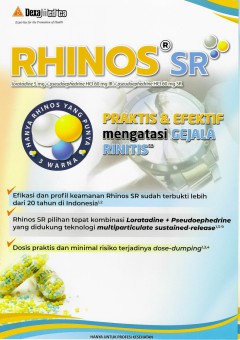
Allergic rhinitis and asthma: How important is the link?
Dysfunction of the upper and lower airways frequently coexist, and they appear to share key elements of pathogenesis. Data from epidemiologic studies indicate that nasal symptoms are experienced by as many as 78% of patients with asthma and that asthma is experienced by as many as 38% of patients with allergic rhinitis. Studies also have identified a temporal relation between the onset of rh…
- Edition
- -
- ISBN/ISSN
- -
- Collation
- -
- Series Title
- -
- Call Number
- -
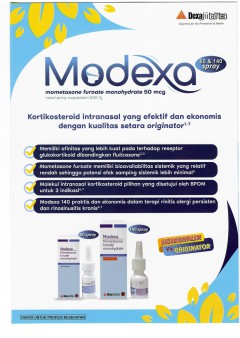
Intranasal corticosteroids for allergic rhinitis: How do different agents com…
Intranasal steroids have proved to be an effective and safe form of therapy for allergic rhinitis. However, as the number of new glucocorticoid compounds has increased over the past decade, it has become important to consider whether significant differences exist between these agents. Pharmacologically, newer drugs such as mometasone furoate and fluticasone propionate appear to have substantia…
- Edition
- -
- ISBN/ISSN
- -
- Collation
- -
- Series Title
- -
- Call Number
- -
 Computer Science, Information & General Works
  Philosophy & Psychology
  Religion
  Social Sciences
  Language
  Pure Science
  Applied Sciences
  Art & Recreation
  Literature
  History & Geography